Ask three different flooring contractors in Philadelphia what the proper way for hardwood to be put in and you'll get three different answers -- not because all of them are correct, but because the proper method of installation will depend on the particulars of your home. Subfloor types, flooring's thickness, the species, moisture conditions as well as your long-term plans regarding the space all go into the choice. Many homeowners only discover this only after the fact that's why it's important to be aware of the differences before you can begin estimating. This is how each method operates and when each can be considered a good idea.
1. Nail-Down is the Standard for Solid Hardwood
Nail-down construction, sometimes called staple-down -- involves mechanically attaching each plank of wood to the wood subfloor using an pneumatic nailer. This is the oldest technique and is the most frequent technique for solid hardwood installation in Philadelphia houses with hardwood or OSB subfloors. It's strong and the floor feels solid beneath your feet, and there's no adhesive to fail with age. The majority of flooring contractors opt to nail-down for solid hardwood on subfloors of wood above grade without hesitation.
2. Your subfloor determines whether nail-down Is a Possibility
A wood floor is required for nail-down hardwood- full stop. Concrete slabs which can be seen in basements, and even some ground-floor parts of Philadelphia homes as well as Delaware County ranches, cannot accept staples or nails any way. If your subfloor is made of concrete nail-down is off the plan, no matter what flooring material you'd like. A professional flooring installer who is licensed can spot this issue immediately on a visit to the site, but an inexperienced installer might not see it until the job has already started.
3. Glue-Down Opens Up Concrete Slab Installations
Glue-down hardwood installation uses the full-spread type of adhesive that is applied to the subfloor prior to planks being put in place. It's the go-to method when you're looking to install real hardwood over concrete floors, including basements in Montgomery County colonials, ground-floor slabs in newer South Jersey construction, or any other space where nail-down isn't an option. When it's done correctly a glue-down flooring is extremely durable and is extremely rigid. However, removal later requires a lot more effort that removing a stapled or floating floor.
4. The floating Hardwood Isn't Connected to Subfloor at All
Floating installation implies that the planks lock at their edges, and are essentially placed on top of the subfloor as an unconnected surface, and move as a whole instead of being fixed in place. It's much easier to install, it's easier to remove, as well as more resilient to the imperfections of subfloors than nail-down. Engineered hardwood is the most frequent option for floating in Philadelphia since its layered construction is able to handle the minor movement that is associated with a floating layout better than solid wood.
5. Floating Floors Have a Distinct Feel beneath the feet
This is something that visits to showrooms aren't always able to convey. Floating hardwood gives a subtle vibration when you walk over it. It's not too dramatic or noticeable, but it's noticeable compared to nail-down floors that lock close to the subfloor. Most homeowners find it a matter of course. For some, especially those moving from nail-down hardwood, it can require adjustment. If this is something you're concerned about are unsure, ask your flooring installation for a floating floor sample before committing.
6. Nail-Down Charges the Most Expensive Labor The Three Costs of Nail-Down
From a purely installation perspective nail-down hardwood will require an extended amount of time and expertise that is evident in the labor quotes you'll get from Philadelphia flooring contractors. The subfloor needs to be clean flat and thick. Planks need to be acclimated. The nailer must be handled with care in order to avoid splitting. Flooring installers who nail down proficiently are earning their fee. If you're presented with a low hardwood installation cost It's a good idea to inquire how they're going to fix it.
7. Glue-Down is a Material Cost, but it also reduces the need for some labor Variables
Adhesive costs a lot, and glue-down projects require the right product matched to the particular hardwood and subfloor combination. This being said, glue-down work over a well-prepared concrete slab will go more quickly than nailing over subfloors that need repairs of a significant amount. Flooring specialists across Bucks County and Delaware County generally recommend glue-down on engineered hardwood for slab-on-grade homes specifically because it offers real wood looks with practical advantages.
8. Moisture Testing Must Be Observed Prior to the Method of Choice is Identified.
This step is often skipped on budget projects and can cause problems within the year. Concrete slabs exude moisture vapor and excessive moisture can cause the glue-down to fail along with floating floors that buckle. Wood subfloors in older Philadelphia rowhomes can contain the excess moisture that comes from crawlspaces or poor ventilation. A reliable moisture reading prior to installation isn't a requirement -- it's how a competent flooring professional determines which approach is safe and which prep job is needed before.
9. Refinishing Compatibility Variates based on Method
Nail-down solid lumber can generally be sanded several times over its life -- it's one of the main reasons for selecting over other hardwoods, even if it comes with a higher costs of installation. Most engineered hardwoods that are glue-down can be finished once or twice dependent on the thickness of the wear layer. In the case of floating engineered wood, it may possess a limited refinishing possibility. If a long-term plan for wood floor repair is on your list of priorities take this into consideration in the strategy before you install, not later.
10. The Right Method Is an a Site-Based Decision, not a Preference A Decision
Homeowners often come to discussions about flooring with an idea of which method they would like to use. Expert flooring installers in Philadelphia can gently steer the conversation to the type of home actually supports. The top flooring contractors aren't trying to promote a particular technique -- they're reading your subfloor, your moisture levels and floor level and your wood species and then recommending the best option. This kind of site-specific assessment is the thing that separates a professional licensed from a person who has nailers. Read the best
bathroom tile installation Philadelphia for site info including solid hardwood floor installation Philadelphia, flooring installers South Jersey, licensed flooring installers Philadelphia, affordable flooring installation Philadelphia, cheap flooring installation Philadelphia, kitchen tile flooring Philadelphia, flooring contractors Delaware County PA, luxury vinyl flooring Philadelphia, licensed flooring installers Philadelphia, LVP flooring installation Philadelphia and more.
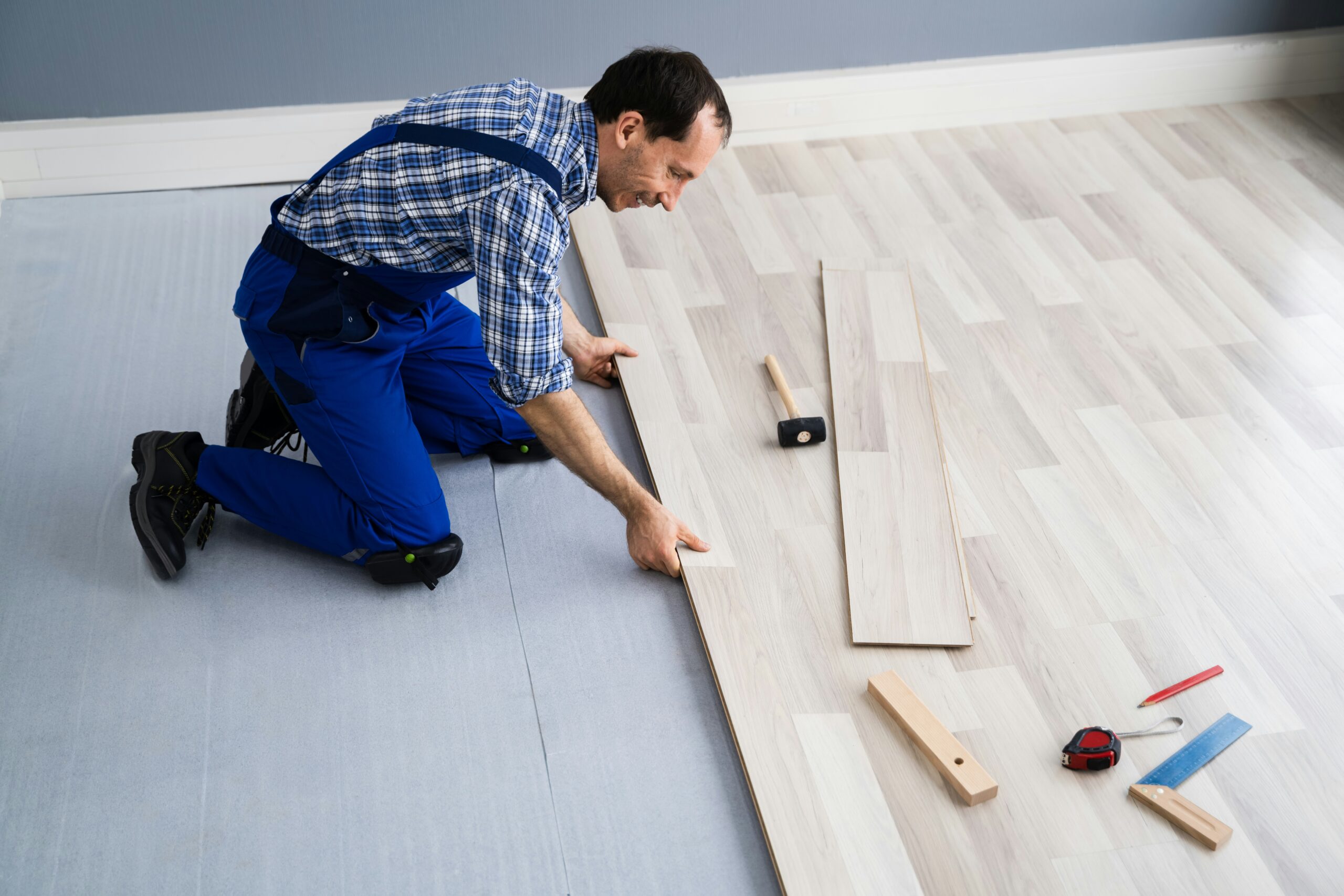
How to Find Licensed Flooring Contractors In Philadelphia
Finding flooring contractors in Philadelphia is easy. Locating a certified, insured skilled one that will be available six months after the job if something goes wrong -- this is the part that requires serious effort. The Philadelphia metro area offers a wide range of flooring professionals established firms with years of local work and legitimate independent contractors with expertise, and the long list of unlicensed establishments that compete for prices alone, but disappear when issues occur. Bucks County, Montgomery County, Delaware County, and South Jersey all have their particular local contractor ecosystems and identical quality. Here's how you navigate it without learning it the hard way.
1. Know what the term "licensing" actually means in Pennsylvania
Pennsylvania states that home-improvement contractors -- and that includes flooring installers -- to register for registration with the Attorney General's Office under the Home Improvement Consumer Protection Act. This is distinct from an occupational license and is legally required, and not a mark of exceptional quality. A flooring company operating in Philadelphia or its surrounding counties who does not have an existing registration is already operating illegally before they've even touched your floor. You can verify registration status on the Pennsylvania Attorney General's site before a contractor sets foot in your home.
2. Insurance is Non-Negotiable and Simple to Check
General liability insurance safeguards your home in the event that a contractor is liable for damage caused during installation. Workers' compensation insurance protects you from liability if an employee is injured when working. The coverage must be current and verifyable. Contact any flooring company that you're contemplating hiring the certificate of insuranceIt's not just their word to have it, an actual certificate with the name of the insurer as well as the policy number. The most reputable flooring companies will pull the certificate regularly and won't be hesitant to ask for it. Contractors who refuse or hold back upon this request are telling you something very important.
3. Local Reviews Show More than Star Ratings
A flooring contractor that has a 4.8 average rating, and over 200 review on Google is a more reliable signal than one with the average of 5.0 rating and only 11 review. Take a look at the content of reviews in addition to the stars. Look specifically for mentions of the ways in which problems were dealt withEvery contractor has jobs that aren't perfect, and the ones to consider hiring are those who show up, communicated and then fixed the issue. Philadelphia flooring reviews which mention specific areas, flooring types, and project outcomes are more reliable than general 5-star ratings. Cross-reference with Google, Yelp, and the BBB for a fuller picture.
4. Get Specific About Experience with Your Floor Type
Flooring is not a single trade. A contractor who has put in LVP in a home with 500 rooms may only have a few years of experience working with nail-down solid hardwood, engineered hardwood that is glue-down over concrete or large-format porcelain tiles. If you're considering estimates for hardwood floor installation in Philadelphia inquire directly about what similar projects they've completed in the last period of time and if they're able to seek out a reliable reference. Contractors confident in their specific experiences are able to answer this question. The ones who evade the question with general statements are worth examining more closely.
5. The free estimate reveal More Than the Quote
Every reliable flooring company in Philadelphia will provide a no-cost estimate. This includes actually going to your home. The quality of their visit (how thoroughly they assess the subfloor, whether they inquire about the history of their moisture, how clearly they explain their scope you more about the company than the number they put down when they finish. An expert who spends 45 minutes looking over your space while asking you questions in depth is different from a contractor who goes in, takes measurements of the room, then hands you a list of numbers in ten minutes, without looking beneath the surface.
6. Request three specific quotes before Determining Anything
Three quotations is the minimum needed for any flooring installation project in Philadelphia in a size that is meaningful. In addition to the price is what each quote includes: subfloor preparation the removal of material and disposal, transition strips, baseboards, furniture moving, and the cleanup after installation. Quotes that list a single price per square foot with no further breakdown are inviting you to look up the line items later, halfway through the project, when there is less leverage. The itemized quotes allow you to compare contractors with the same terms, instead of comparing a contractor's all-in cost against another's floor-to-floor price.
7. Neighborhood Reputation carries real Weight in Philadelphia
The Philadelphia metro area, including city suburbs, inner-ring suburbs and counties out towards Bucks and Delaware is a place that relies on relationships by ways that remain relevant for trades work. When you ask neighbors, block organizations or local community Facebook groups who they've actually hired and rely on for flooring for their homes the result that no search engine will come up. A flooring contractor who has done a fantastic job for you or in your township, has a local name to protect in a way different from a contractor across the region does not. The informal referral network is underused and genuinely valuable.
8. Watch out for the Patterns that License-Free Operators and Share
Certain traits are common among contractors who are slacking regarding licensing and insurance. Cash-only payment requirement. Reluctance to provide a written contract. Quotes delivered verbally with nothing written. No physical address for the business or phone number. Pressure to decide quickly before the price goes up. Subcontractors showing up at the installation day that you haven't met and that weren't included in the estimate. The results of any one of these aren't an absolute fact, but several of them are enough to make you reconsider your list to find properly vetted flooring contractors.
9. Cross-County Searches Give You More Options Without sacrificing Quality
A few of the top flooring installers who serve Philadelphia specifically are located in Montgomery County, Delaware County, or South Jersey and work across the larger metro regularly. The only limit to those who work in Philadelphia can drastically limit the options. What matters is their familiarity with the particular housing stock of Philadelphia including rowhomes, older subfloor conditions, typical concerns with moisture and so on, not the side of the urban line their facility is on. It is a Bucks County flooring contractor with strong Philadelphia references is worth getting in touch with.
10. A Written Contract Protects Both Parties and Defining the Job
Before beginning any work you need to sign a agreement that defines the flooring product, its brand and product name and the method of installation and the amount of subfloor preparation, payment schedule, the project timeframe, and what happens when subfloor damage is discovered during the course of work. Flooring contractors with licenses use contracts as standard procedure. The contract should not be seen as a sign that you're not trusting them -- it's the document that helps keep a strong working relationship for any issues that arise between the beginning to install and final walkthrough. Follow the recommended View the top hardwood floor refinishing Philadelphia for more examples including hardwood flooring Montgomery County, wood floor restoration Philadelphia, hardwood floor resurfacing Philadelphia, engineered hardwood installation Philadelphia, hardwood flooring Montgomery County, hardwood floor installation cost Philadelphia, flooring contractors Bucks County, hardwood floor installation South Jersey, kitchen tile flooring Philadelphia, LVP flooring contractors Philadelphia and more.
